
Back to overview
MenuTome · Ingredient guide
Culinary herbs
20 herbs used in European cooking: flavour, use and substitutes.
PDF · 45 pages · 6.8 MB · with MenuTome watermark
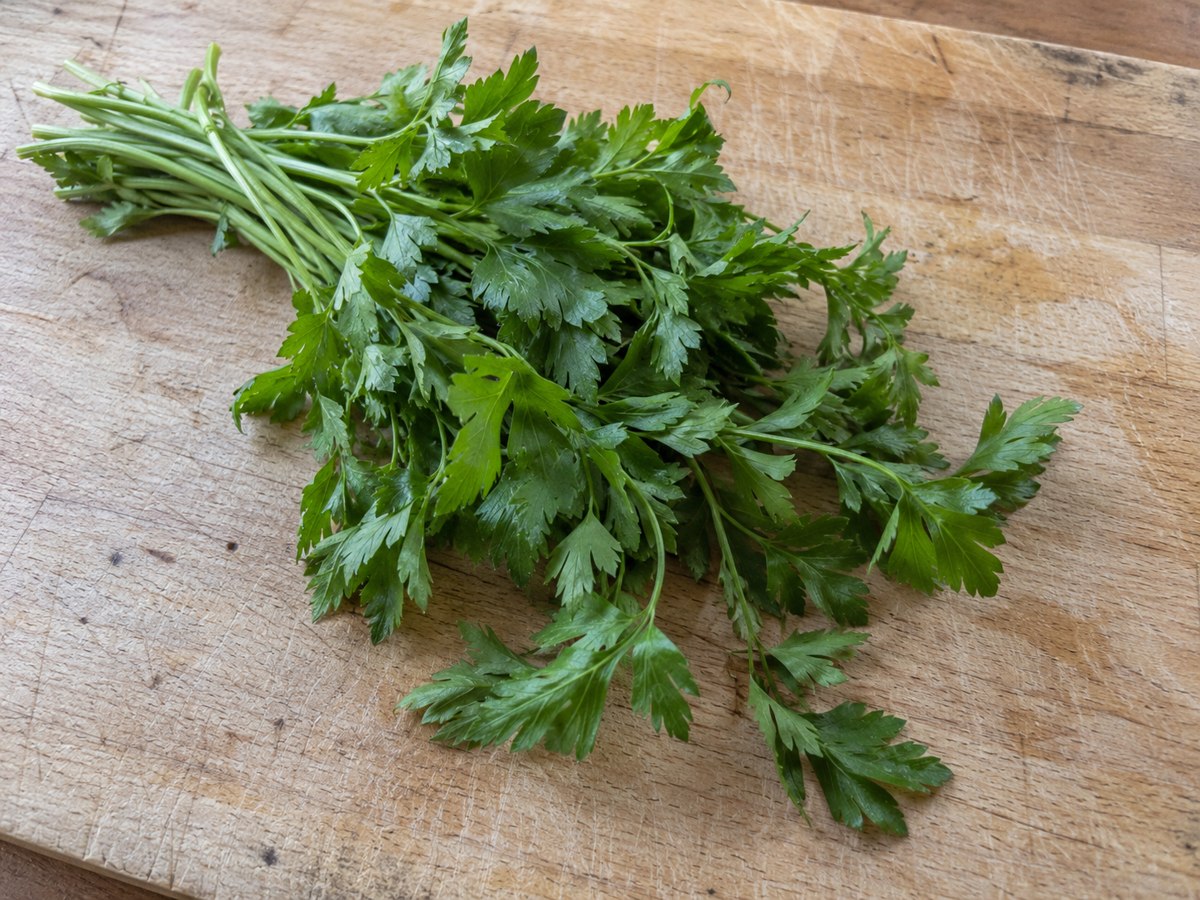 ParsleyFresh and grassy with a light peppery edge.
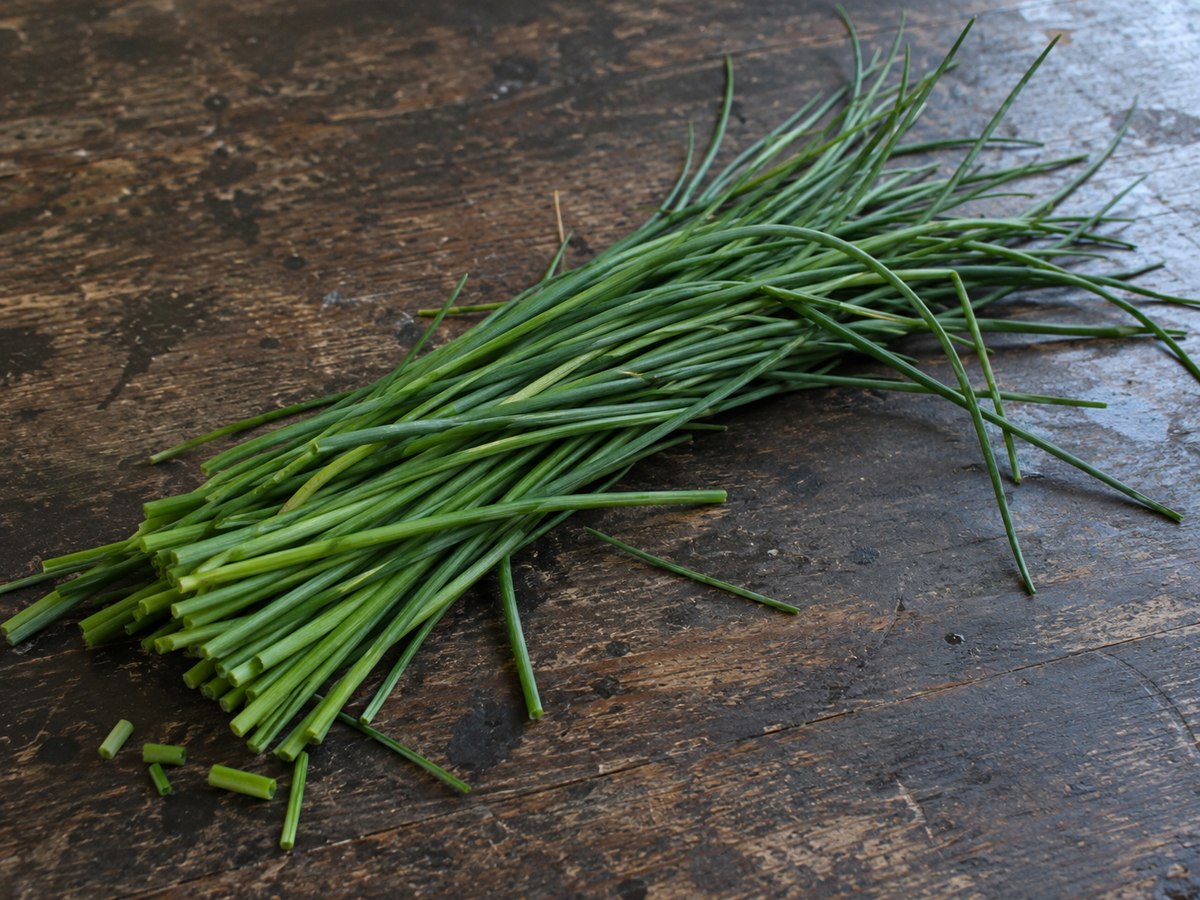 ChivesMildly onion-like with a gentle bite.
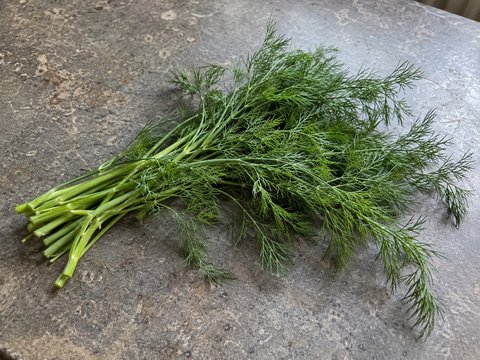 DillFresh, lightly sweet and reminiscent of anise.
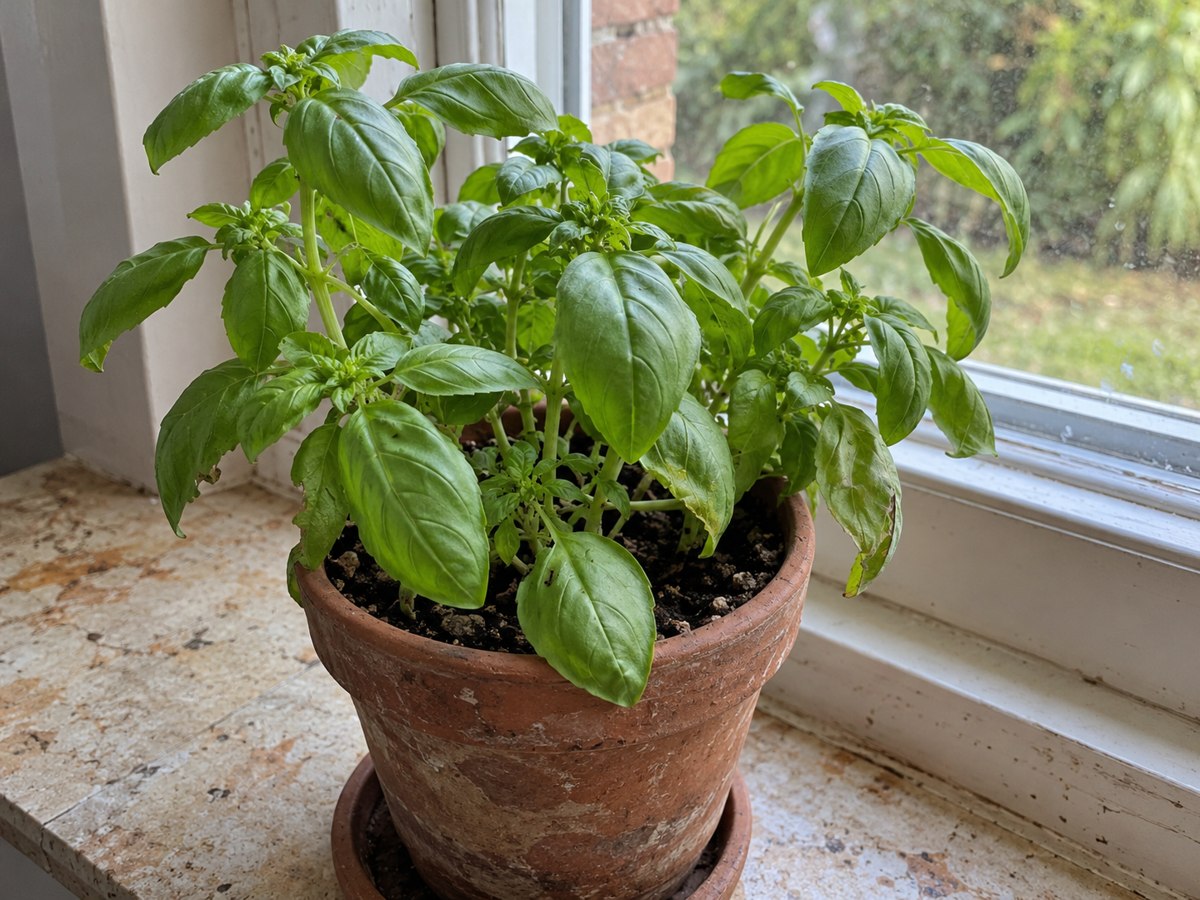 BasilSweet and peppery, sometimes with a clove-like note.
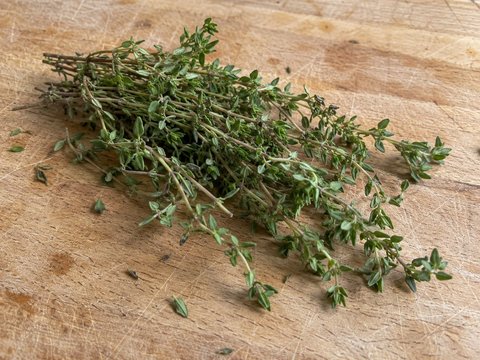 ThymeRobust, savoury and warmly aromatic.
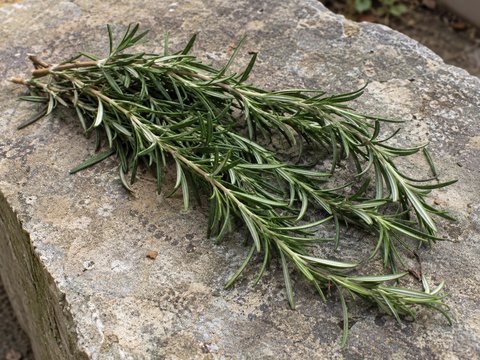 RosemaryStrong, resinous and slightly pine-like.
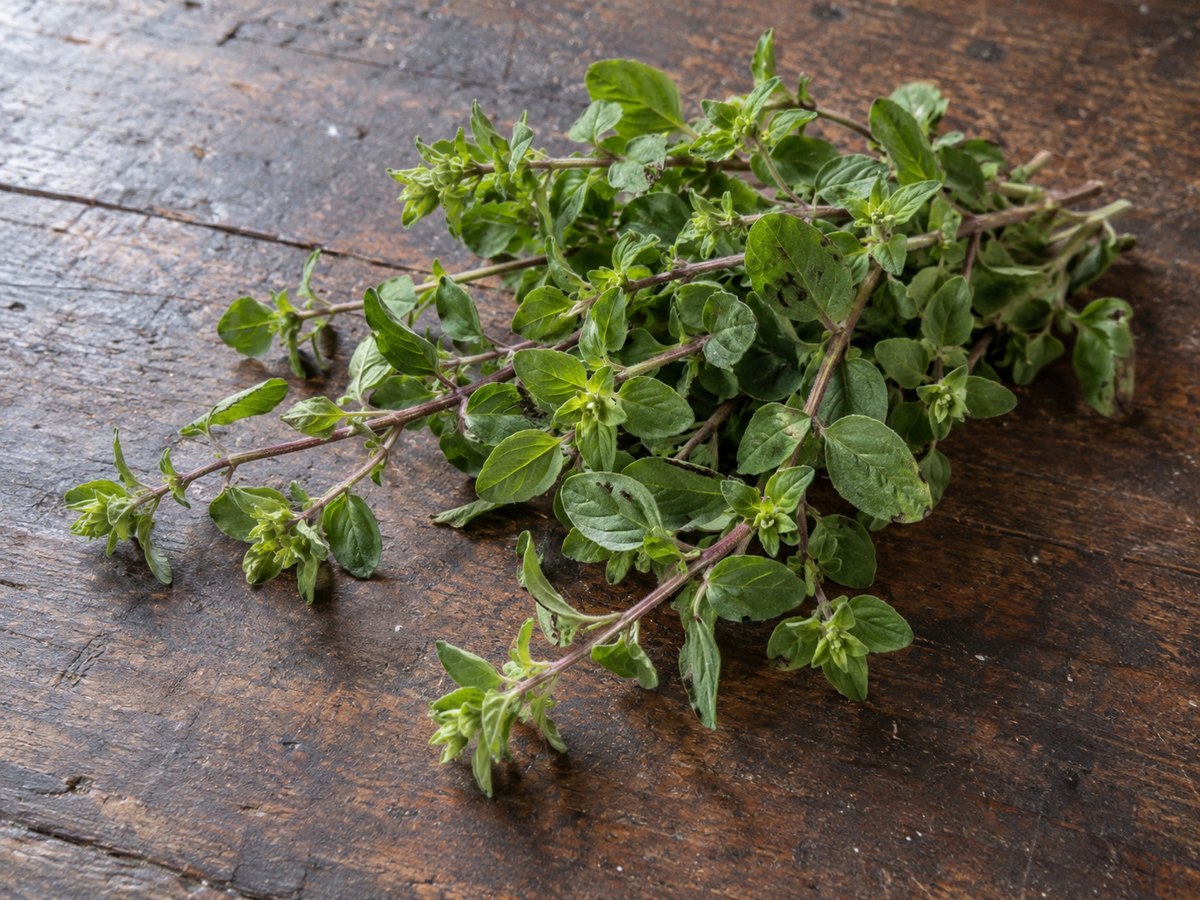 OreganoSavoury, warm and assertively herbal.
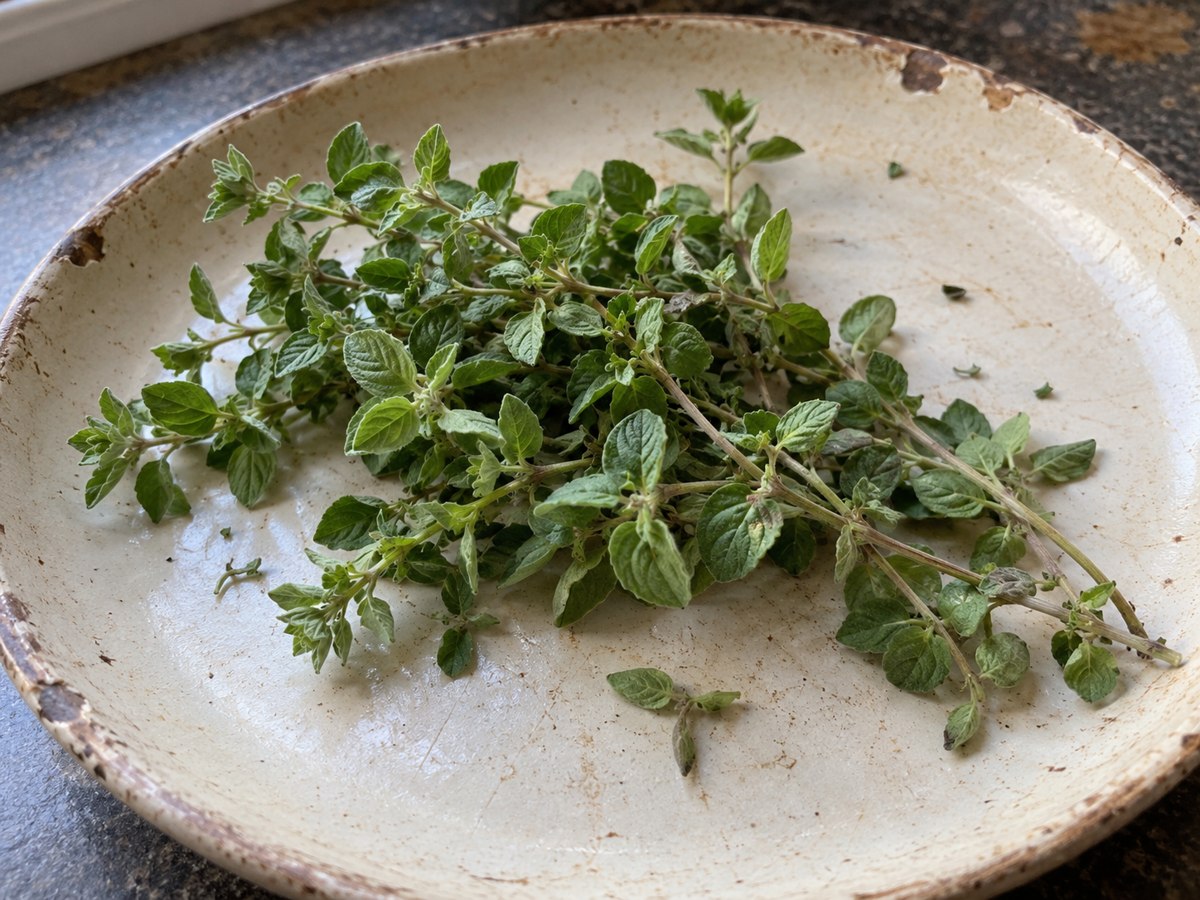 MarjoramRounded, gently savoury and slightly sweet.
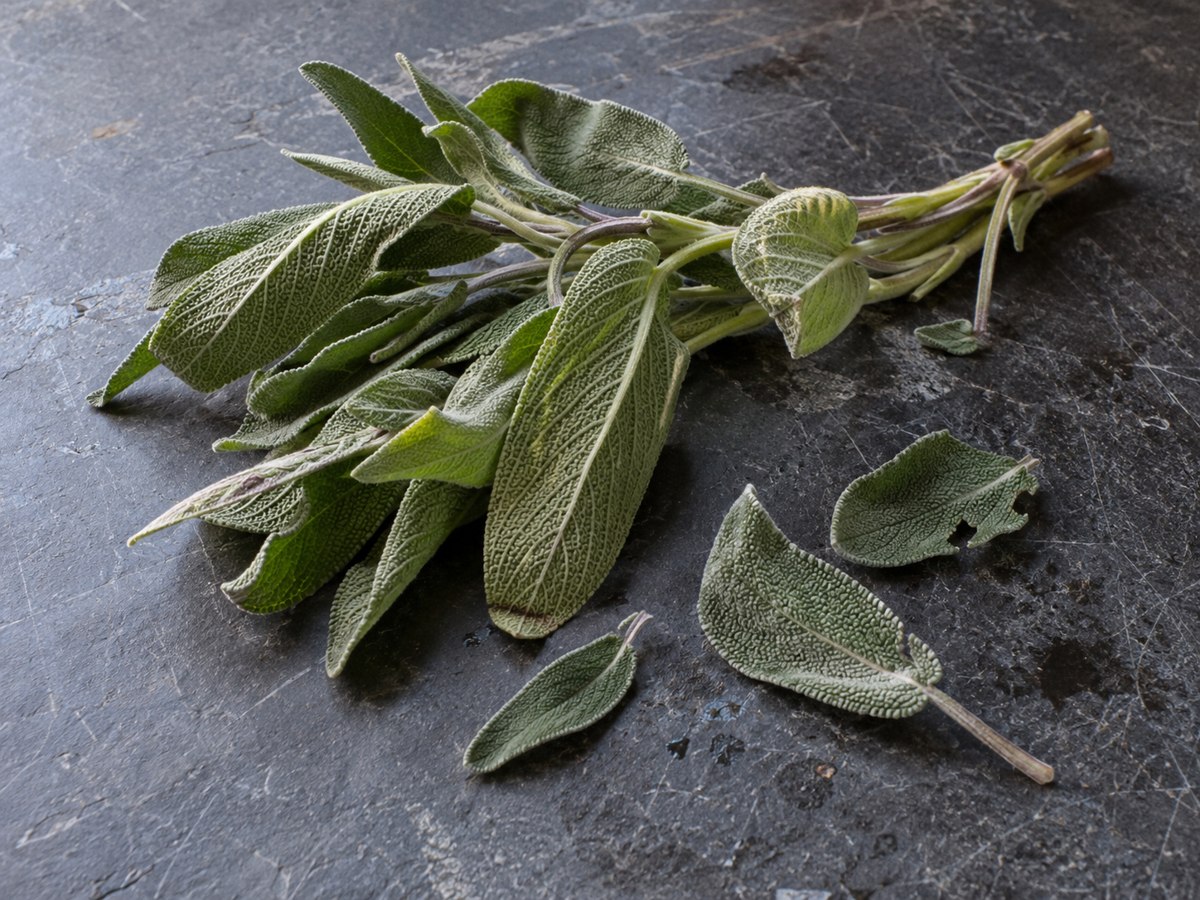 SageWarm, savoury and slightly bitter, with a strong scent.
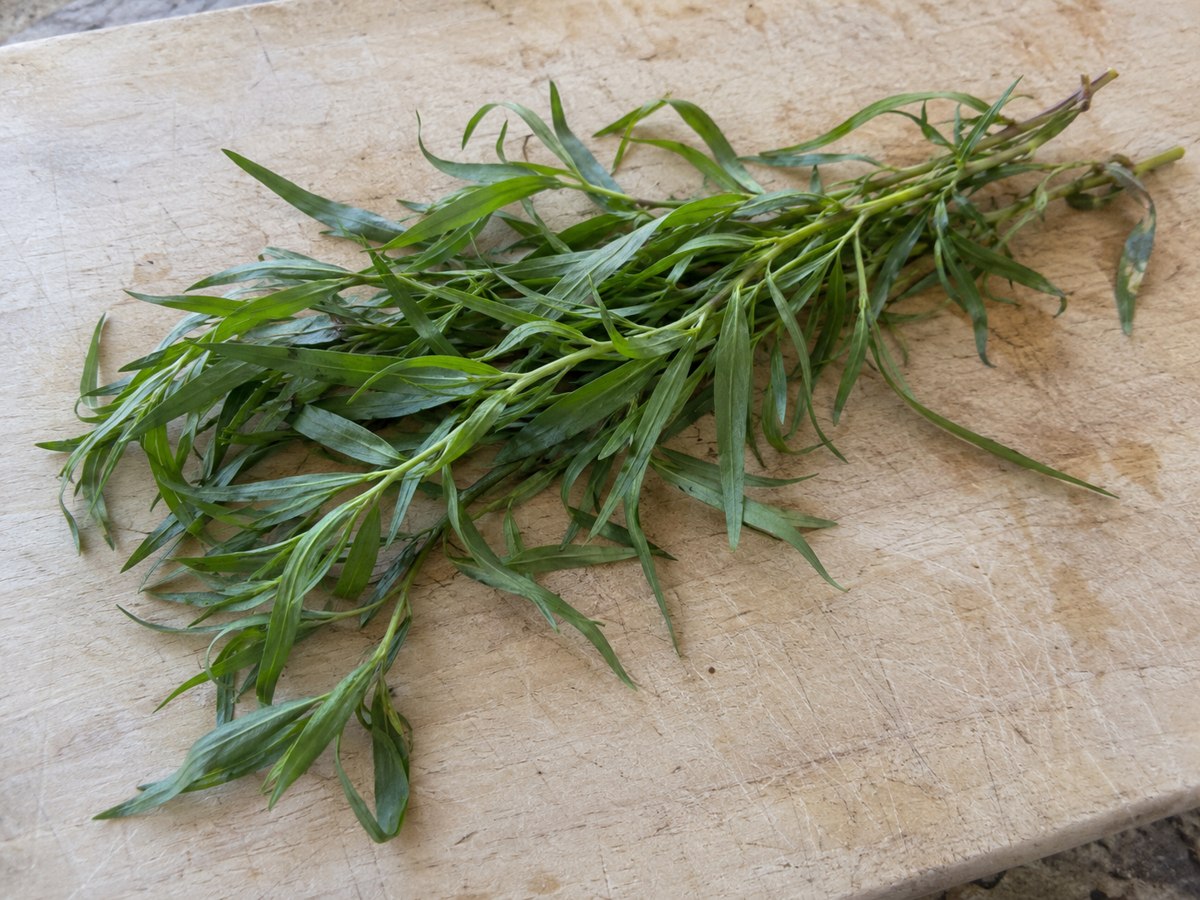 TarragonGently anise-like, savoury and slightly sweet; the cultivar matters.
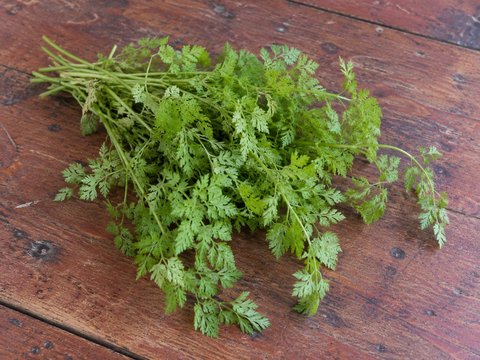 ChervilDelicate and fresh with a faint anise note.
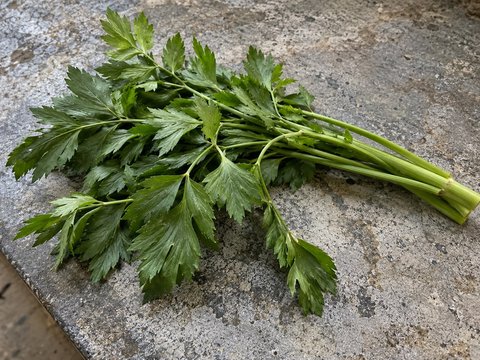 LovageVery strong, celery-like and reminiscent of stock.
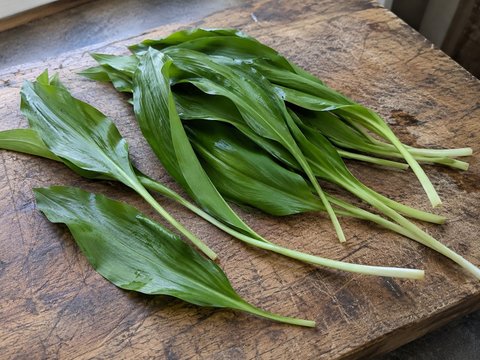 Wild garlicGarlicky, green and fresh.
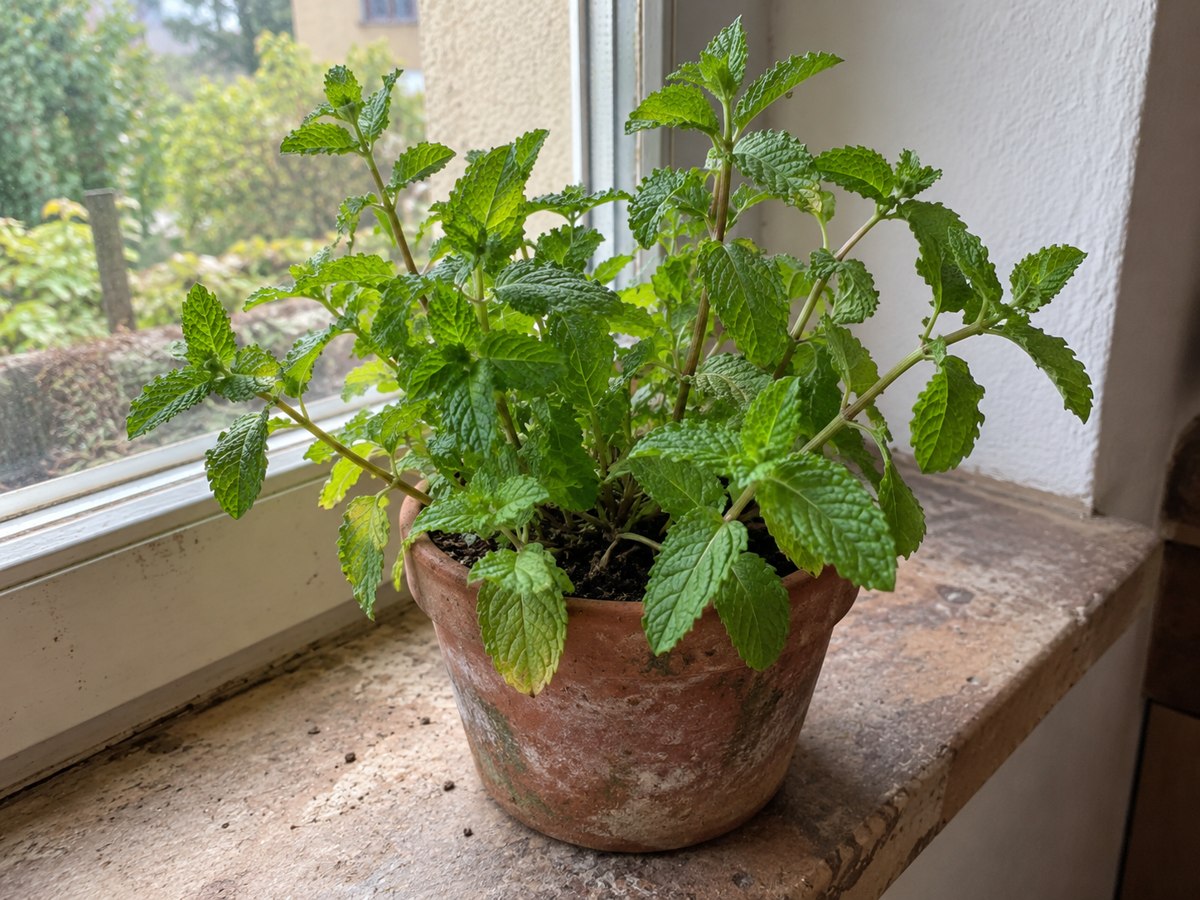 MintFresh, gently sweet and cooling in character; this entry means spearmint.
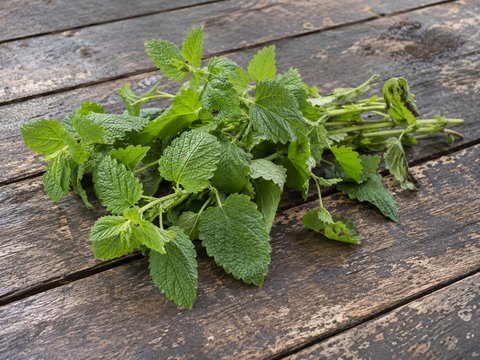 Lemon balmGently lemony and green, without much acidity.
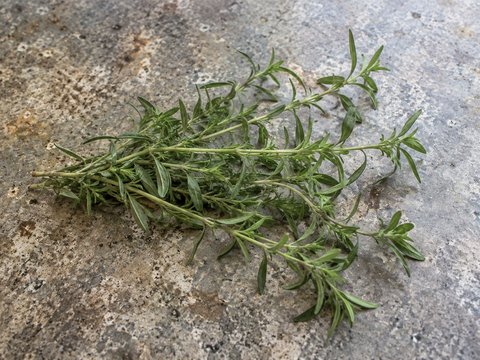 Summer savoryPeppery, savoury and assertively herbal.
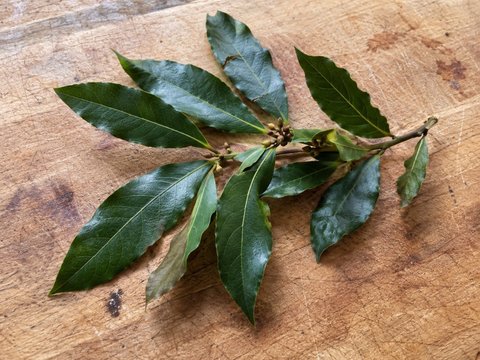 Bay leafSavoury and aromatic with a resinous edge.
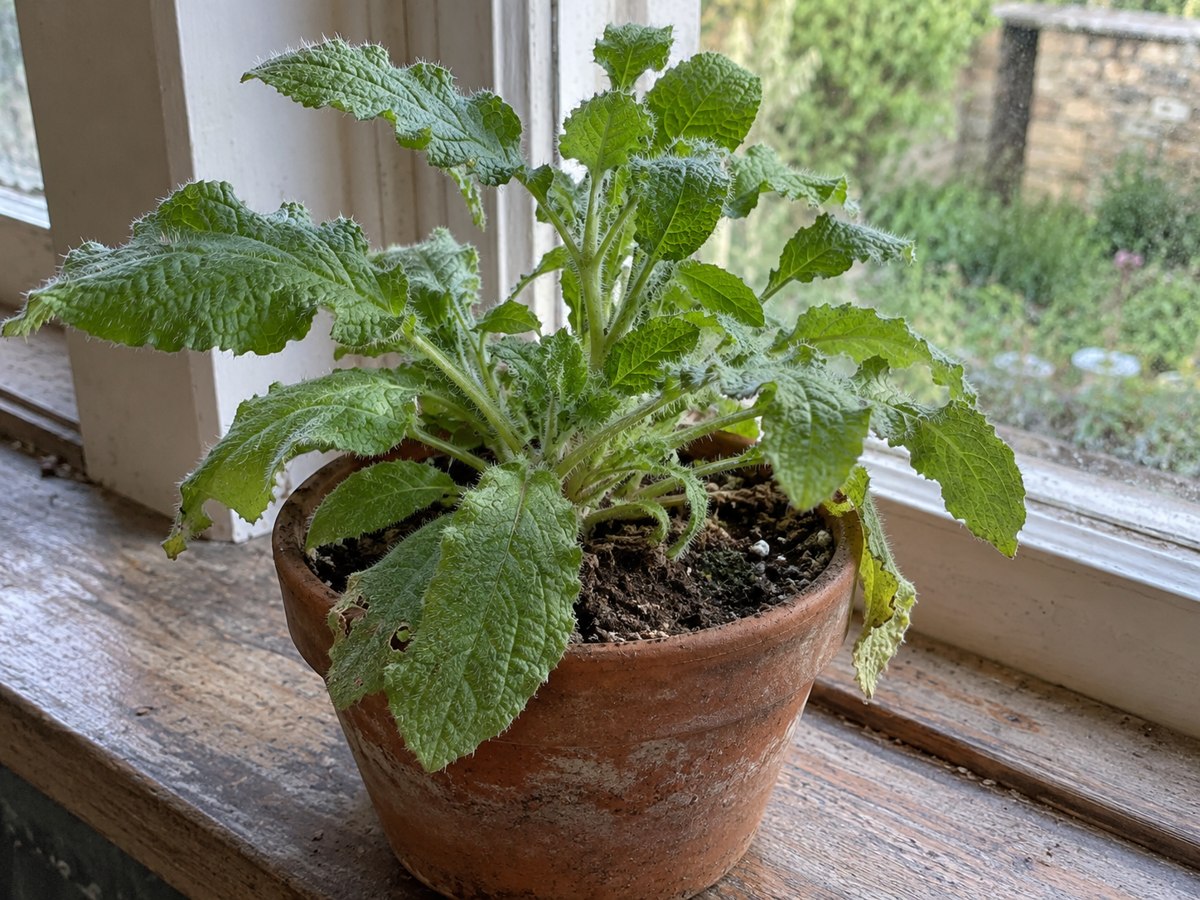 BorageMild and green with a cucumber-like character.
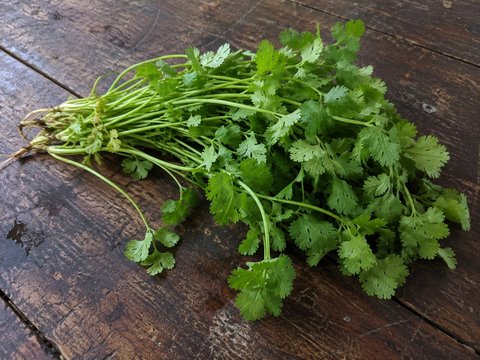 Coriander leaves (cilantro)Boldly green and citrus-like; people perceive it very differently.
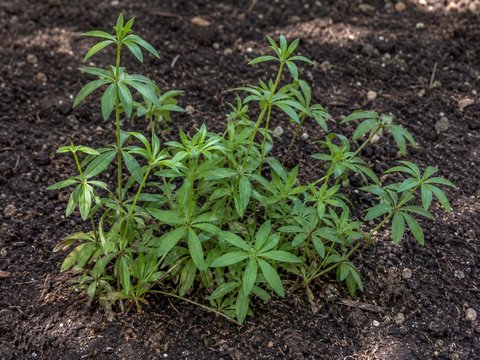 Sweet woodruffHay-like, sweet and distinctive after brief wilting.
All images are AI-generated illustrations.
Sources and notes
Image: AI-generated (OpenAI). Image note: The illustrations were created with AI. They show culinary ingredients and are not a guide to identifying wild plants.