
Ingredient guide / Culinary herbs
Borage: flavour, uses and substitutes
Mild and green with a cucumber-like character.
Borago officinalis
Download this card (PDF)Whole ingredient guide as PDF
Card: A5 landscape, 0.2 MB · Whole guide: 45 pages, 6.8 MB · with MenuTome watermark
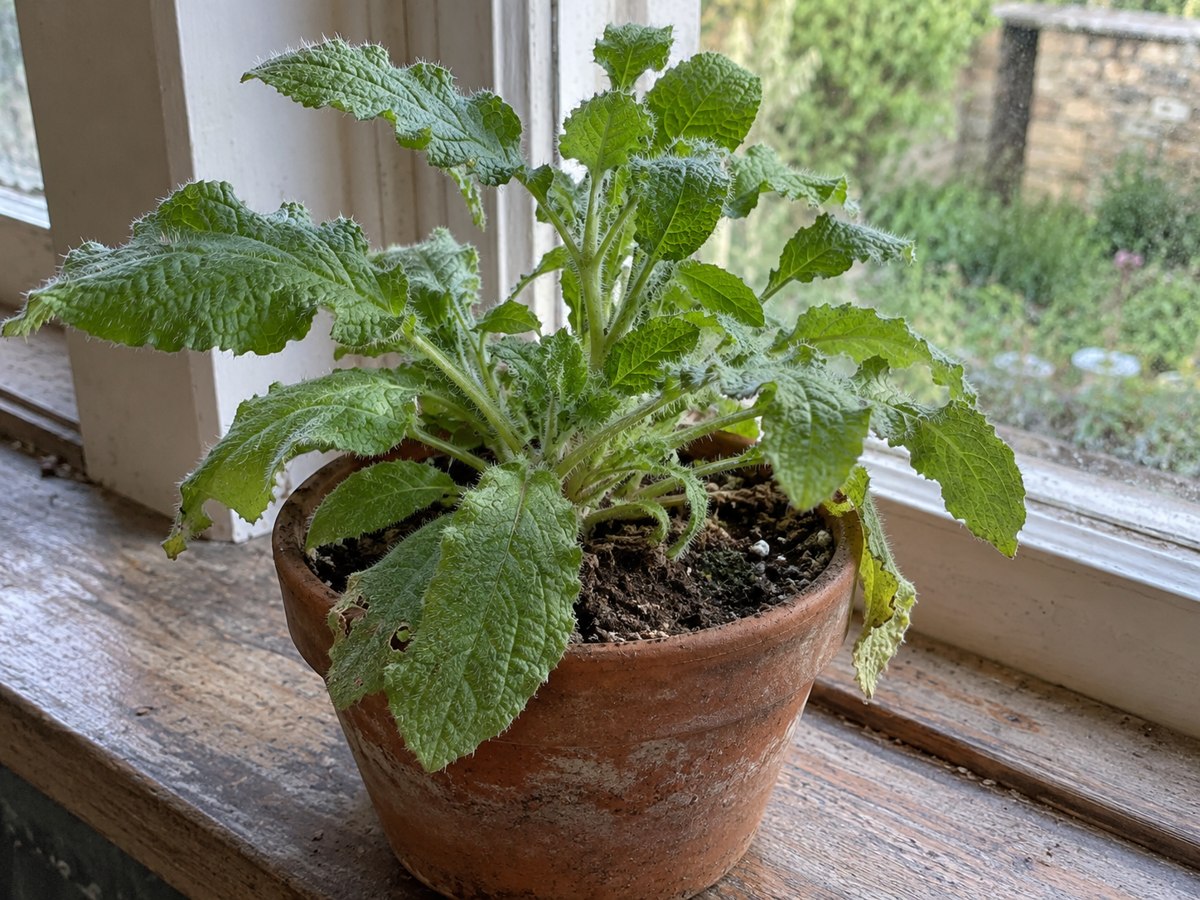
Three identifying features
- Broad rough leaves
- Green with visible bristles
- Cucumber-like scent
Fresh or dried?
Young fresh leaves feature in traditional cooking; concentrated preparations are not recommended here.
When should it go into the pan?
If used, chop finely and add at the end; read the source note.
What does it go with?
Traditionally herb sauces and cucumber dishes.
Cuisines & dish ideas
Traditionally associated with Frankfurt green sauce; read the source note and suggested alternative.
What can replace it?
Dill with a little finely grated cucumber makes a different variation.
How should it be stored?
Keep fresh leaves cool and use promptly.
Note
Borage can produce pyrrolizidine alkaloids itself, as explained by the BfR. Its traditional use is therefore not a general recommendation to eat it; dill and cucumber are described as a flavour alternative.
Recipes using it
This ingredient has not been found in the existing recipe collection yet.
Sources and notes
Sources
- NC State Extension · Borago officinalis · Accessed 2026-10-25
- BZfE · How-to Kräuter · Accessed 2026-10-25
- BfR · Pyrrolizidinalkaloide in Lebensmitteln · Accessed 2026-10-25
Image: AI-generated (OpenAI). Image note: The illustrations were created with AI. They show culinary ingredients and are not a guide to identifying wild plants.